Pastor Horst Kasner opened his house for a group of Protestant leaders. It happened in the 1960s, in a small town in the Uckermark, 80 kilometres north of Berlin. He did that secretly, because the Stasi observed everything.
> Stay up to date with Christian news in Europe? Sign up for CNE's newsletter.
The men came to discuss the political issues of their day. And that included repression from the state. They all adhered to one unspoken but ever-present rule: the discussions must never travel beyond the room's four walls.
After all that would be very dangerous. Yet, the young pastor's daughter, Angela, sat quietly in the corner. Mr Kasner pretended not to see her, but she listened intently to every word.
German Bundestag wipes euthanasia proposals off the table
Throughout her recently published memoir *Freedom: My Life in Politics*, Angela Merkel compellingly relays the historical events that have marked her life from childhood in the GDR to becoming Germany's first female chancellor.
In addition, she provides candid insights into her inner thoughts and decision-making processes behind issues like migration policy, international relations, feminism, abortion, same-sex marriage, and the many other subjects detailed within the book's 700 pages.
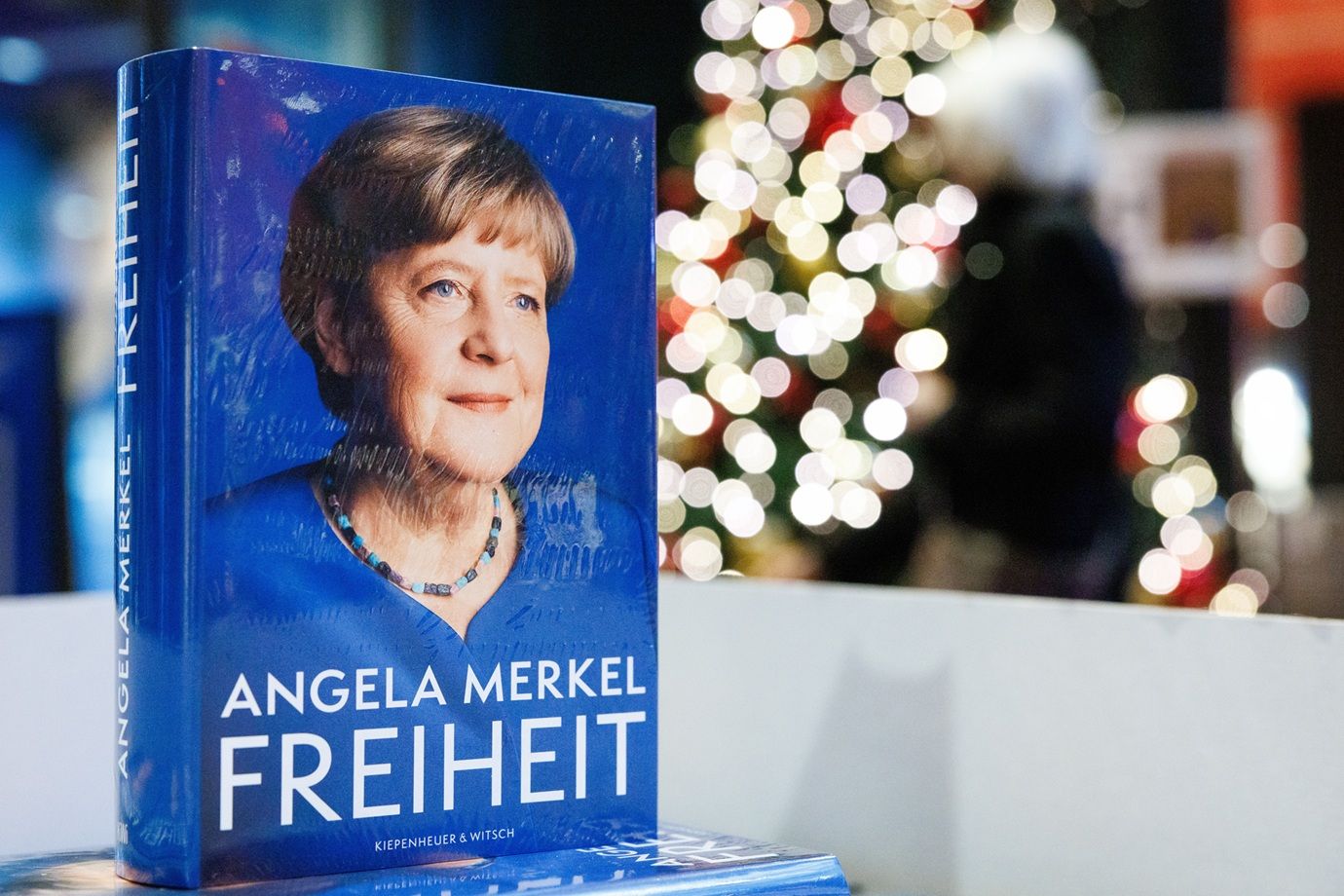
Merkel's autobiography in a bookstore. Photo EPA, Clemens Bil Mistakes However, *Freedom* is not just a political narrative. It also offers a detailed and intimate view into a central value that has marked Merkel's leadership – her Christian faith. “I believe there is a God, even if I often cannot comprehend or sense Him”, Merkel writes. She refers to her addition of “so help me, God” to her swearing-in as chancellor in 2005. She continues, “I know that I am not perfect and make mistakes, and so my life has been made easier by faith – as has the task of taking responsibility for my fellow man and for creation.” She quotes Jeremiah 29:7 as words that have particularly spoken to her throughout her life and career: “Seek the peace and prosperity of the city… for if it prospers, you too will prosper.” The memoir traces the narrative of her life in five parts – divided by timeline and theme. It ranges from childhood and education as a physicist with a PhD in quantum chemistry, to her early political involvement in the newly-reunified Federal Republic of Germany and membership in the Christian Democratic Union following the fall of the Berlin Wall, her values of “freedom and responsibility,” serving as chancellor through global economic and humanitarian crises, and her final years in leadership through 2021. Research: German politicians are open about their faith One of the most intriguing aspects of the book is the way Merkel reflects on the moral dilemmas she has faced as a leader. For example, she frames her handling of the refugee crisis in Germany, marked by her famous words “We can do this” (*Wir schaffen das*), as not just a political decision but an ethical one, grounded in a Christian duty to help those in need. While acknowledging that the decision was and remains controversial, she cites the value of caring for others, especially the vulnerable, shaped by belief in the sanctity of life and human dignity regardless of political consequences. Forms of life While Merkel does not reflect very much on ethical issues, matters like abortion and same-sex marriage do pass the revue. When it comes to abortion, Merkel reflects that it put her in an impossible dilemma. On the one hand, she considers herself a feminist, who is in favour of women's autonomy. On the other, she places much value on the “constitutional task for the legislator, parliament …, Germany's centre-right political party. Prior to and after reunification, many of Merkel's early political activities involved meeting in Protestant churches. Sometimes that happened in secret under the watchful eyes of the GDR's final years, and hearing from theologians involved in democratic movements. She became a member of the CDU in 1990, serving briefly as chair of the Protestant working group EAK (*Evangelischer Arbeitskreis*), becoming chair of the Mecklenburg-Western Pomerania district, minister for women and youth, and then minister for the environment. Every third German wants a CDU without C Light under a bushel In the 2000 CDU congress in which she announced her candidacy as party chair, Merkel included within her campaign speech, “I want a CDU that, on the foundation of the Christian concept of humanity, makes human dignity its benchmark when assessing technological risks… I want a CDU that advocates for a Europe of the people… I want a CDU that advocates for a Germany which is a tolerant country among others, that neither puts on airs nor hides its light under a bushel.” The speech was met with resounding applause. In the articulate, thoughtful pages of *Freedom*, Merkel succeeds in neither putting on airs nor hiding her light under a bushel. She gracefully lays out the successes she has earned over the course of her career while also acknowledging her defeats and unfulfilled goals. Moral compass While she makes no claims to cite every political or personal choice of hers with Biblical quotes and Christian references, she is open about how her faith has influenced her upbringing, moral compass, and decision-making. In the concluding pages of the book, Merkel writes, “True freedom is not only freedom from something -from dictatorship and injustice- but shows itself in responsibility for something: for one's neighbour, for the community, for our common good.”
Merkel's autobiography in a bookstore. Photo EPA, Clemens Bil Mistakes However, *Freedom* is not just a political narrative. It also offers a detailed and intimate view into a central value that has marked Merkel's leadership – her Christian faith. “I believe there is a God, even if I often cannot comprehend or sense Him”, Merkel writes. She refers to her addition of “so help me, God” to her swearing-in as chancellor in 2005. She continues, “I know that I am not perfect and make mistakes, and so my life has been made easier by faith – as has the task of taking responsibility for my fellow man and for creation.” She quotes Jeremiah 29:7 as words that have particularly spoken to her throughout her life and career: “Seek the peace and prosperity of the city… for if it prospers, you too will prosper.” The memoir traces the narrative of her life in five parts – divided by timeline and theme. It ranges from childhood and education as a physicist with a PhD in quantum chemistry, to her early political involvement in the newly-reunified Federal Republic of Germany and membership in the Christian Democratic Union following the fall of the Berlin Wall, her values of “freedom and responsibility,” serving as chancellor through global economic and humanitarian crises, and her final years in leadership through 2021. Research: German politicians are open about their faith One of the most intriguing aspects of the book is the way Merkel reflects on the moral dilemmas she has faced as a leader. For example, she frames her handling of the refugee crisis in Germany, marked by her famous words “We can do this” (*Wir schaffen das*), as not just a political decision but an ethical one, grounded in a Christian duty to help those in need. While acknowledging that the decision was and remains controversial, she cites the value of caring for others, especially the vulnerable, shaped by belief in the sanctity of life and human dignity regardless of political consequences. Forms of life While Merkel does not reflect very much on ethical issues, matters like abortion and same-sex marriage do pass the revue. When it comes to abortion, Merkel reflects that it put her in an impossible dilemma. On the one hand, she considers herself a feminist, who is in favour of women's autonomy. On the other, she places much value on the “constitutional task for the legislator, parliament …, Germany's centre-right political party. Prior to and after reunification, many of Merkel's early political activities involved meeting in Protestant churches. Sometimes that happened in secret under the watchful eyes of the GDR's final years, and hearing from theologians involved in democratic movements. She became a member of the CDU in 1990, serving briefly as chair of the Protestant working group EAK (*Evangelischer Arbeitskreis*), becoming chair of the Mecklenburg-Western Pomerania district, minister for women and youth, and then minister for the environment. Every third German wants a CDU without C Light under a bushel In the 2000 CDU congress in which she announced her candidacy as party chair, Merkel included within her campaign speech, “I want a CDU that, on the foundation of the Christian concept of humanity, makes human dignity its benchmark when assessing technological risks… I want a CDU that advocates for a Europe of the people… I want a CDU that advocates for a Germany which is a tolerant country among others, that neither puts on airs nor hides its light under a bushel.” The speech was met with resounding applause. In the articulate, thoughtful pages of *Freedom*, Merkel succeeds in neither putting on airs nor hiding her light under a bushel. She gracefully lays out the successes she has earned over the course of her career while also acknowledging her defeats and unfulfilled goals. Moral compass While she makes no claims to cite every political or personal choice of hers with Biblical quotes and Christian references, she is open about how her faith has influenced her upbringing, moral compass, and decision-making. In the concluding pages of the book, Merkel writes, “True freedom is not only freedom from something -from dictatorship and injustice- but shows itself in responsibility for something: for one's neighbour, for the community, for our common good.”